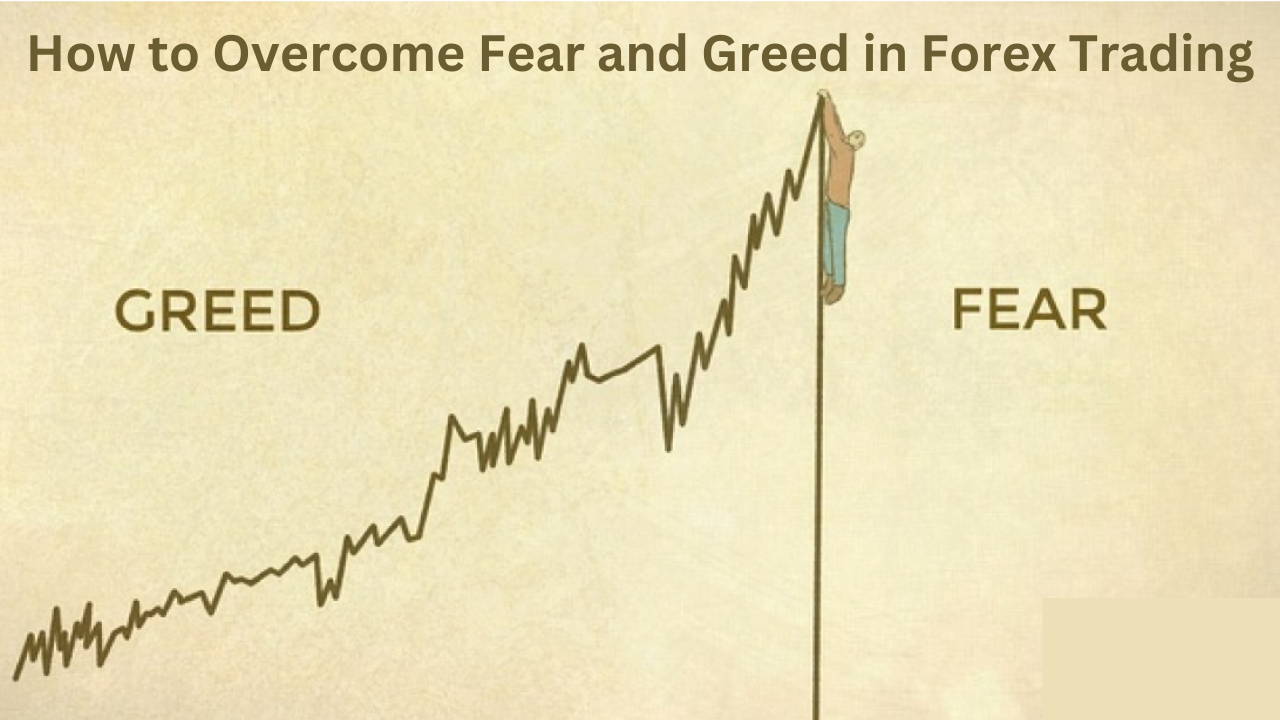
Greed and fear are two of the strongest emotions that can influence a trader’s choices in the forex market. Greed can result in overtrading disregarding risk management and making snap decisions whereas fear can make traders hesitate to exit trades early or avoid taking necessary risks. For long-term success in the forex market, it is essential to master these emotions.
Understanding the impact of fear:
Trading anxiety is frequently caused by the forex market’s unpredictability and volatility. Traders might be afraid of losing money making blunders or passing up lucrative opportunities. Even in favorable circumstances this fear may paralyze them and prevent them from making trades. Traders may close trades too soon out of fear of losing out on possible gains. The first step in conquering fear is recognizing its origin.
Developing a trading plan to manage fear:
Clear instructions on entry and exit point’s stop-loss levels and risk management techniques are provided to traders by a well-structured trading plan. Traders can make decisions based on reasoning rather than feelings when they have a clear plan. Confidence in a well-thought-out plan minimizes anxiety by lowering uncertainty and giving a sense of control. By sticking to a plan traders can trade with confidence because they no longer need to make snap decisions.
Using risk management to reduce fear:
A common source of fear is the possibility of suffering large financial losses. Traders can safeguard their capital by putting risk management strategies like stop-loss orders sensible leverage and trade risk limitation into practice. Knowing that losses are under control eases trader’s anxiety and frees them up to concentrate on successfully implementing their plan. Effective risk management makes sure that even a string of losing trades won’t have disastrous financial repercussions.
Recognizing the dangers of greed:
Greed in forex trading can take many forms such as excessive leverage excessive trading and the pursuit of irrational gains. Greedy traders might hang onto winning positions for too long in an attempt to maximize profits only to have the market turn against them. Greed can also result in overly reckless behavior which raises the possibility of suffering large losses. Sustaining a disciplined trading strategy requires an understanding of the negative effects of greed.
Practicing patience and discipline to control greed:
Discipline and patience are essential for conquering greed. In order to prevent traders from acting rashly out of a desire for rapid profits it is important to adhere to a clearly defined strategy and avoid the temptation to overtrade. To stop greed from taking over set reasonable profit goals and take profits at pre-established levels. Traders who maintain their composure and discipline instead of taking needless chances see consistent long-term growth.
Maintaining emotional balance through self-awareness:
Traders can effectively control their fear and greed by identifying emotional triggers. When traders are self-aware they can recognize when their decisions are driven more by feelings than by reason. Maintaining a trading journal to document feelings choices and trade results offers important insights into fear and greed patterns. Traders can modify their strategy and mindset to make more logical choices in the future by thinking back on previous trades.
Using meditation and mindfulness techniques:
Meditation and mindfulness help traders remain focused and in the moment which lessens their emotional responses to changes in the market. Traders can recognize their feelings without allowing them to control their behavior by engaging in mindfulness practices. Traders can remain composed under pressure and make unbiased decisions by practicing deep breathing exercises and meditation techniques. Developing mindfulness as a daily practice improves emotional stability and lessens impulsive trading.
Learning from experienced traders:
Asking seasoned traders for advice can yield insightful information about how to effectively control emotions. Traders can overcome psychological obstacles with the assistance of mentors and trading communities which provide guidance support and common experiences. Gaining insight from people who have effectively controlled their greed and fear offers useful techniques for preserving emotional self-control. Connecting with other traders promotes discipline and a logical trading strategy.
Focusing on long-term success:
It is a marathon, not a sprint to trade forex. Traders can overcome transient emotional responses by cultivating a long-term mindset. Traders can steer clear of the traps of greed and fear by concentrating on steady progress rather than specific trade results. Instead of focusing on failures traders can move forward with confidence when they accept that losses are a normal part of trading. Taking a long-term view fosters resilience and lessens the temptation to act on impulse.
Conclusion:
Overcoming fear and greed in forex trading requires self-awareness, discipline, and a well-structured approach. By understanding the impact of these emotions and implementing strategies to manage them, traders can improve decision-making and enhance their overall performance. Creating a solid trading plan, practicing risk management, and maintaining emotional balance contribute to long-term success. Developing a patient, disciplined mindset ensures that traders stay focused on their goals without being driven by fear or greed. With the right mindset and strategies, traders can navigate the forex market with confidence and consistency.
