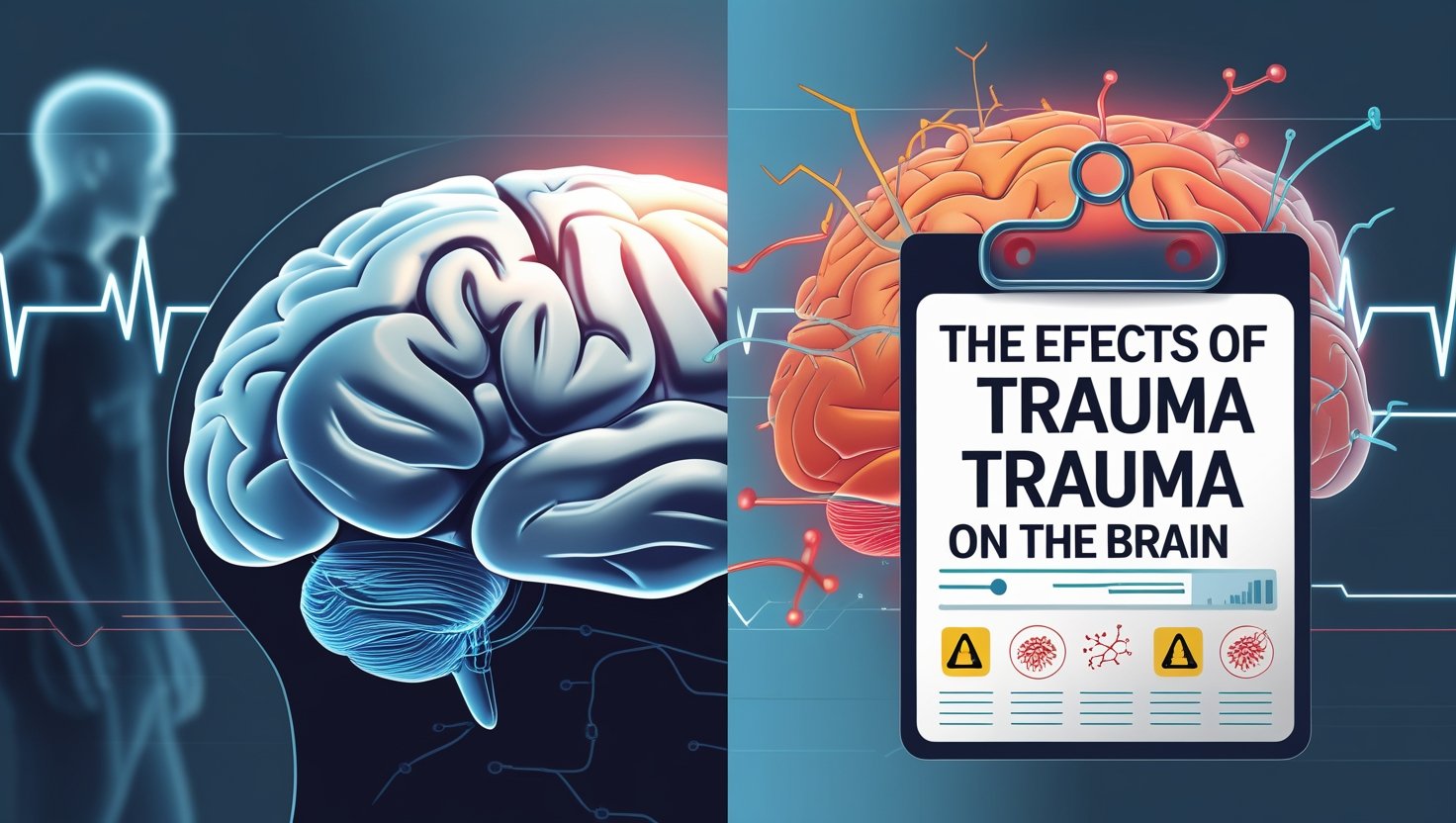
Trauma is a mental and emotional condition that leaves a deep impact on a person’s mind after an incident that causes extreme stress or pain. These incidents can happen due to any kind of reason accident, physical or emotional abuse, loss of a loved one, or witnessing a violent event. When these experiences are so intense that a person is unable to process them properly, they leave a deep impact on his mind and emotions. This condition is called trauma.
PTSD or Post-Traumatic Stress Disorder is a long-term reaction to trauma. It happens when someone experiences flashbacks, nightmares, anxiety, or emotional numbness for a long time after a traumatic event. PTSD can happen to people of any age and can make everyday life difficult.
People often think trauma only happens to soldiers or crime victims, but it can happen to anyone at any time. That’s why it’s important to understand trauma and PTSD so we can be a source of support and understanding not just for ourselves, but for others too.
The purpose of this blog is to understand the effects of trauma on the brain, how PTSD develops, and the methods of recovery. This journey is certainly difficult, but it is also possible.
How Trauma Physically Changes the Brain:
When a person experiences trauma, it is not just emotional, but also affects the brain. Some important parts of the brain, like the amygdala, hippocampus, and prefrontal cortex, start working differently after trauma. The amygdala, which detects emotions and danger, becomes more active after trauma. This means that a person starts getting scared of even small things or starts considering them a threat.
The job of the hippocampus is to organize memories. But after trauma, this part becomes damaged or does not function properly, causing people to experience flashbacks and mixed memories. The prefrontal cortex, which is responsible for our decision making and thinking, becomes weak after trauma, causing a person to make impulsive decisions or cannot regulate emotions.
This effect of trauma can dramatically change a person’s brain function. These effects vary from person to person, but their occurrence is almost certain. When the brain takes such a deep affected, it is not easy to recover from it. Therefore, trauma should not be considered just an emotional challenge, but also a neurological issue that needs treatment and support. It is important to understand that the impact of trauma on the brain is real and its recovery is also possible.
The Role of the Nervous System in Trauma Response:
When a person is faced with a traumatic situation, their nervous system immediately reacts. These reactions take three main forms: fight, flight, and freeze. Fight means that the person fights, flight means that he flees from the situation, and freeze means that both his body and mind come to a standstill.
These reactions are part of the human survival mechanism. But when the trauma is acute or occurs repeatedly, the nervous system is constantly hyper-alert. This means that a person is always waiting for danger, whether there is any real danger or not. This condition is very exhausting and can lead to anxiety, insomnia, or irritability.
The autonomic nervous system, which controls the body’s automatic functions (such as heart rate, breathing, and digestion), becomes dysregulated during trauma. A person’s heart speeds up, breathing becomes faster, and the digestive system slows down. All of these reactions can be helpful in the short term, but if they continue for a long time, they can lead to health problems.
It is important to understand that the impact of trauma is not just limited to thinking and understanding, but it also disturbs the entire nervous system. The first step to recovery is to learn to regulate our nervous system and adopt methods that provide relief.
Long-term Psychological and Emotional Effects:
Trauma not only has an effect at the time of a traumatic event, but its effects can last a long time. People living with PTSD often experience anxiety, depression, guilt, and emotional numbness. These feelings prevent them from leading a normal life, and their confidence and self-worth are greatly diminished.
Another common effect is that people stop trusting each other. Relationships become problematic; people prefer to be alone or are afraid to get close to someone. Flashbacks and nightmares frequently take them back to the traumatic moment, causing them to lose emotional stability.
Mental fatigue and emotional exhaustion are also common effects of trauma. People overreact to small things or do not respond at all. Some people become emotionally numb, feeling neither joy nor sorrow. This condition makes them feel disconnected as if they have become detached from their own life.
If these symptoms are not treated properly, they affect every aspect of life, including personal life, work, education, and relationships. But the most important thing is that this condition is not permanent. With the right support and therapy, a person can regain their emotional and mental balance.
Healing and Recovery – Therapy and Support Options
Recovery from trauma is not easy, but it is possible. The first step is for individuals to recognize their trauma and not ignore it. Therapy is a very important part of this process. CBT (Cognitive Behavioral Therapy) is very effective for trauma survivors because it helps them recognize and replace negative thinking.
EMDR (Eye Movement Desensitization and Reprocessing) is another therapy technique widely used for PTSD patients. In this, therapists have the patient perform eye movement exercises during traumatic memories, which reduces the impact of the memory.
Support groups are also a strong tool for recovery. When people share their experiences, they realize they are not alone. Emotional support from family and friends also plays an important role in recovery. Just listening and understanding without judging can be very healing for a person.
Some people also feel healing from meditation, yoga, journaling, and nature walks. Each person’s recovery journey is unique, so what works for one person may not necessarily work for others. The most important thing is that recovery takes time, but it is possible. Through self-care, patience, and proper treatment, one can live a peaceful and healthy life even after trauma.
Conclusion:
Trauma can change a person’s life completely. It is not just a moment, but a deep story that affects both the mind and the body. But it is important to remember that life does not stop despite trauma. Every person has the strength to choose the path of healing and learn to live again.
The journey of recovery is slow, but every small improvement is an achievement. When someone understands their trauma, identifies it, and seeks therapy or support, they begin to experience some relief from their suffering. This process is different for everyone, but one thing is common: hope.
Understanding, accepting, and dealing with trauma igs a sign of emotional maturity. The purpose of this blog is to help you understand the effects of trauma on the brain, what PTSD is, and how you or someone close to you can start on the path to recovery. Ultimately, it is correct to say that trauma can break a person, but that same broken person also has the deepest strength within him to get up again and live in a new light.
